
Coffee flavour is not created by roasting alone. One of the most important stages in coffee’s journey is the processing method. It determines whether a coffee tastes bright and acidic, fruity and sweet, or syrupy and full-bodied.
In this post, we explain the main coffee processing methods and share examples from our own coffee selection.
What Is a Coffee Processing Method?
A coffee processing method describes how the fruit is removed from the coffee cherry and how the beans are dried before roasting. This process takes place in the country of origin immediately after harvest and has a direct impact on a coffee’s aroma, acidity, body and finish.
Washed Process
The washed process is the most widely used coffee processing method in the world and also the most common among our coffees.
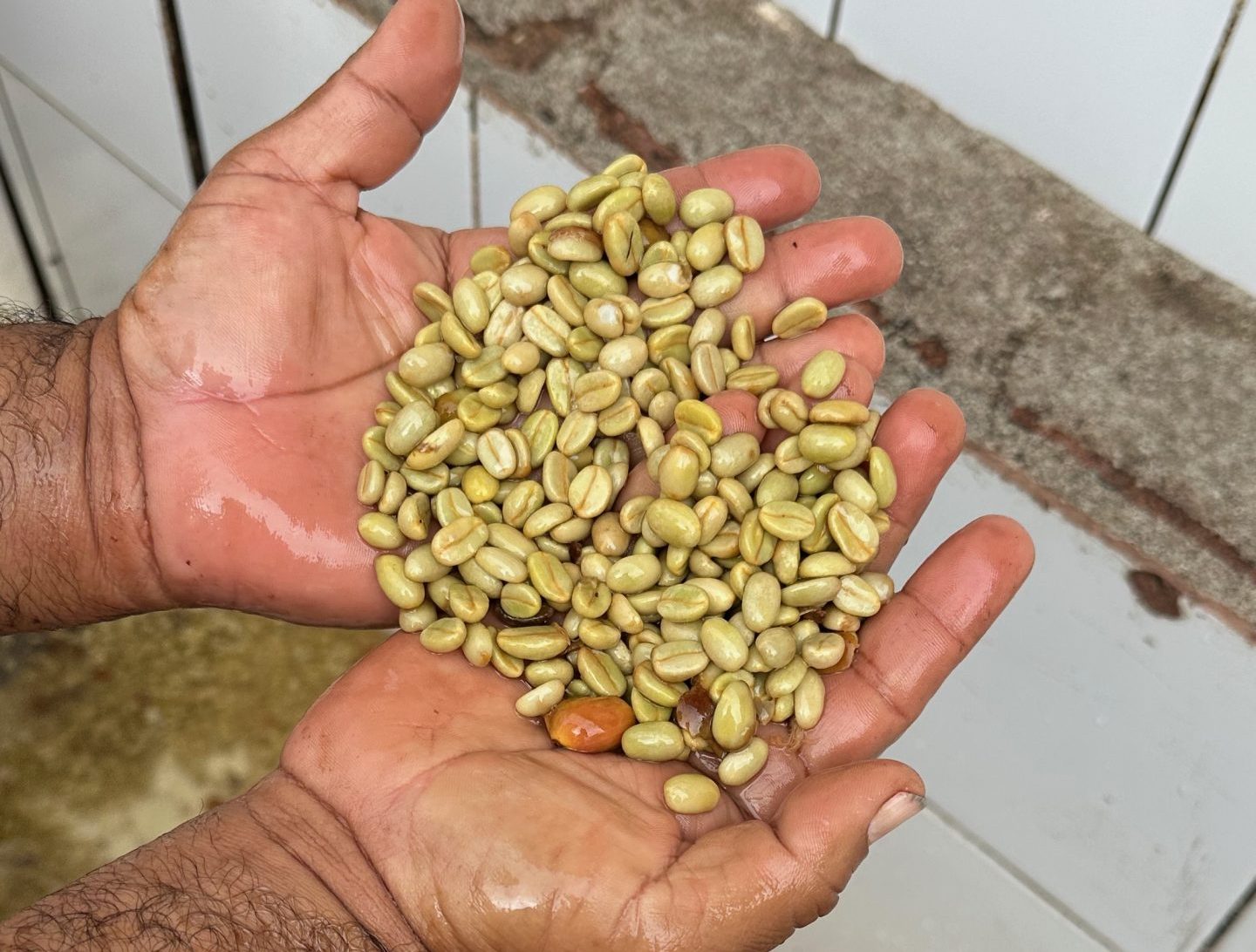
How the Washed Process Works
The washed process begins immediately after harvesting. Fresh coffee cherries are delivered to the processing station, where they are sorted and cleaned. Water is often used to remove defective or underripe cherries.
Next, the outer fruit is removed using a mechanical depulper. What remains are coffee beans covered with a sugar-rich layer called mucilage. To remove this layer, the beans are fermented in water for a controlled period. This can last from several hours to a couple of days, depending on temperature and the desired flavour outcome.
After fermentation, the beans are thoroughly washed with clean water to remove any remaining sugars. They are then dried on raised beds in the sun or in mechanical dryers until the ideal moisture level is reached.
The washed process allows producers to control fermentation very precisely. The result is a clean and transparent cup profile, where the characteristics of origin and terroir are clearly expressed.
Washed Coffee Flavour Profile
Clean and bright flavours. Higher acidity. Clear expression of origin and growing region.
Common Origins Colombia, Kenya, Ethiopia, Central America.
Our Washed Coffees El Salvador Growing Together Guatemala Finca Jaguar Colombia Gigante Kenya MECOP
If you are looking for a clean, balanced and elegant coffee, washed processing is a reliable choice.
Natural Process
Natural processing is the oldest coffee processing method and produces a very distinctive flavour profile.
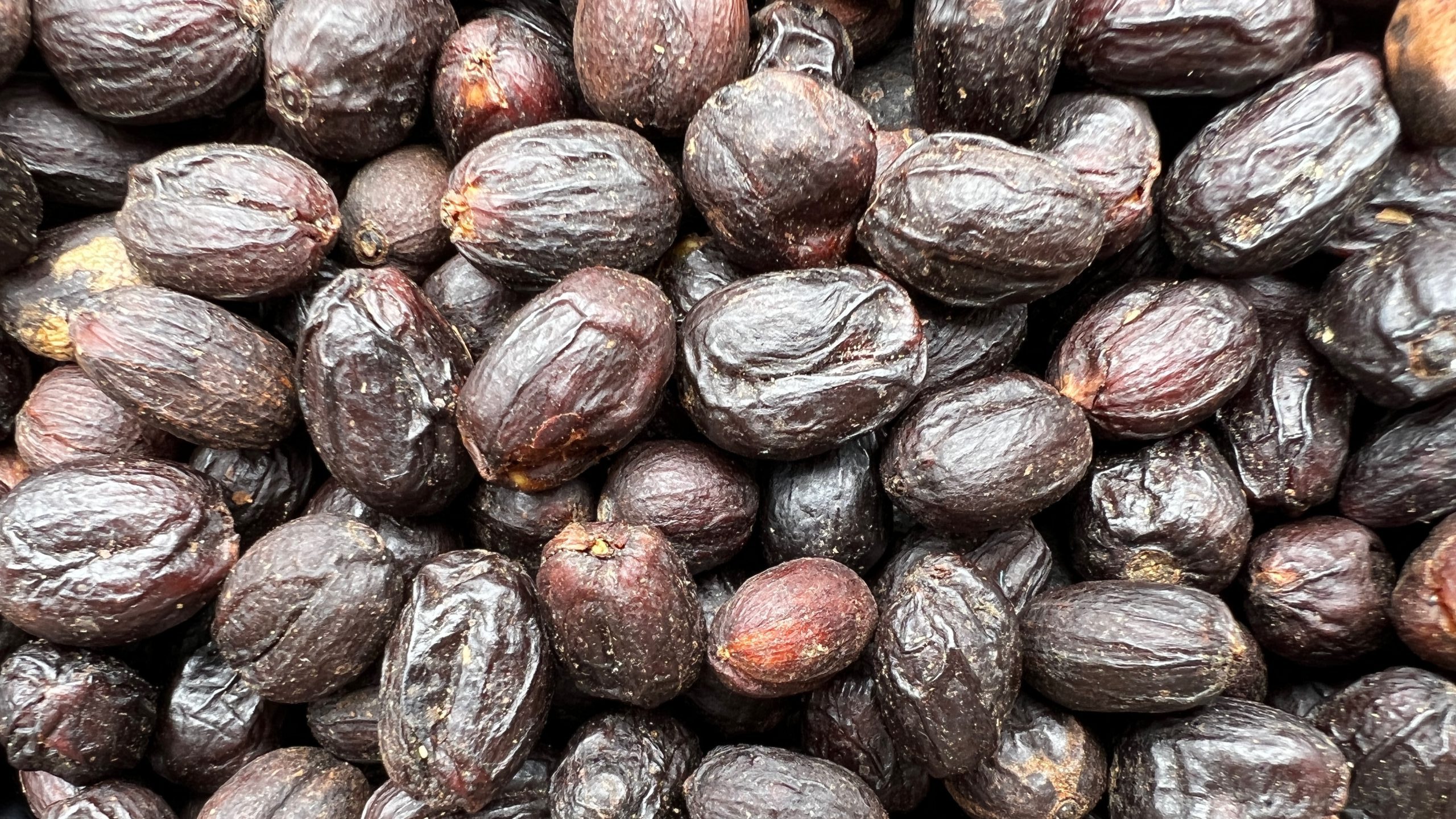
How the Natural Process Works
The natural process is the most traditional and technically simple method. After harvesting, the coffee cherries are not depulped. Instead, whole cherries are laid out to dry.
The cherries are dried in the sun, usually on patios or raised drying beds. The drying period can take several weeks, during which the cherries must be turned regularly to ensure even drying and to prevent mold.
As the cherries dry, sugars and flavours from the fruit slowly transfer into the bean. Once fully dried, the outer skin and dried fruit are removed mechanically.
Naturally processed coffees are often more intense, sweeter and fruit-forward. However, this method requires stable weather conditions and careful handling. Mistakes during drying can quickly lead to quality issues.
Natural Coffee Flavour Profile
Very fruity and sweet. Heavier, fuller body. Berry-like, tropical or wine-like notes.
Common Origins Brazil, Ethiopia, Yemen.
Our Natural Coffees Brazil Santa Cecilia Brazil Santa Rita
Natural coffees are ideal for those who enjoy bold sweetness and expressive flavours.
Honey Process
The honey process sits between washed and natural processing and is especially popular in Central America.
How the Honey Process Works
After harvesting, the coffee cherries are depulped, but unlike the washed process, the beans are not fully cleaned. A portion or all of the mucilage is left on the bean. This sticky, sugar-rich layer gives the honey process its name.
The beans are then dried with the mucilage still attached, usually on raised beds in the sun. During drying, the sugars ferment slowly and influence the final flavour. Depending on how much mucilage is left on the bean, producers may refer to different styles such as yellow, red or black honey.
The honey process creates a balance between the clarity of washed coffees and the sweetness of natural coffees. The result is a smooth, syrupy cup with rounded and well-integrated flavours.
Honey Coffee Flavuor Profile
Balanced acidity and sweetness. Syrupy and smooth body. Caramel, stone fruit and honey notes.
Common Origins Costa Rica, El Salvador, Nicaragua.
El Salvador Santa Elena Ethiopia Chelchele
Honey-processed coffees are a great choice for those seeking sweetness and body while still maintaining structure and balance.
Experimental Coffee Processing Methods
Modern coffee production increasingly explores new processing techniques to create unique and highly expressive flavour profiles.
Common Experimental Methods
Anaerobic fermentation. Carbonic maceration or CO₂ fermentation. Yeast-inoculated fermentation. Extended and tightly controlled fermentation.
Flavour Profile
Highly intense and expressive flavorus. Often unexpected with strong aromatic character.
Kopi Luwak. The Most Controversial “Experimental” Coffee

Kopi Luwak is one of the most famous and controversial coffees in the world. It is not considered a traditional processing method, but rather a form of biological fermentation.
Fermentation occurs naturally in the animal’s digestive system. The beans are later collected, washed and dried. This process can result in coffee with lower acidity and a softer flavour profile.
Kopi Luwak typically shows rounded, low-acid flavours with chocolatey and earthy notes. However, it often lacks the clarity and cleanliness valued in specialty coffee.
Today, Kopi Luwak is controversial mainly due to ethical concerns. Many production methods do not meet animal welfare standards, and the high price does not necessarily reflect higher quality. For this reason, quality-focused roasters increasingly prefer controlled, ethical experimental fermentations.
Conclusion. Why Coffee Processing Matters
Coffee processing influences flavour just as much as roast level or origin. Understanding how a coffee is processed helps you choose the right coffee and explains why one cup tastes bright and clean while another is rich and fruity.
Next time you choose a coffee, take a look at the processing method on the label. It already tells you a lot about the character of the coffee before the first sip.