
Water makes up more than 95% of your coffee. This means the water you use is just as important as the beans, grinder, or brew method. Many home brewers turn to Brita filters to improve their water quality. But how exactly does a Brita filter influence coffee flavor. And why is it essential to keep an eye on its condition.
Why Filter Your Water in the First Place
Tap water always contains minerals and additives such as calcium, magnesium, and chlorine. These directly influence:
Extraction . how efficiently flavours dissolve from the coffee
Aroma clarity
Bitterness and acidity levels
Your coffee equipment’s lifespan (due to limescale buildup)
A Brita filter reduces chlorine, adjusts hardness, and removes off-flavours. Yet its effect on coffee depends heavily on your local water, usage frequency, and the filter’s age.
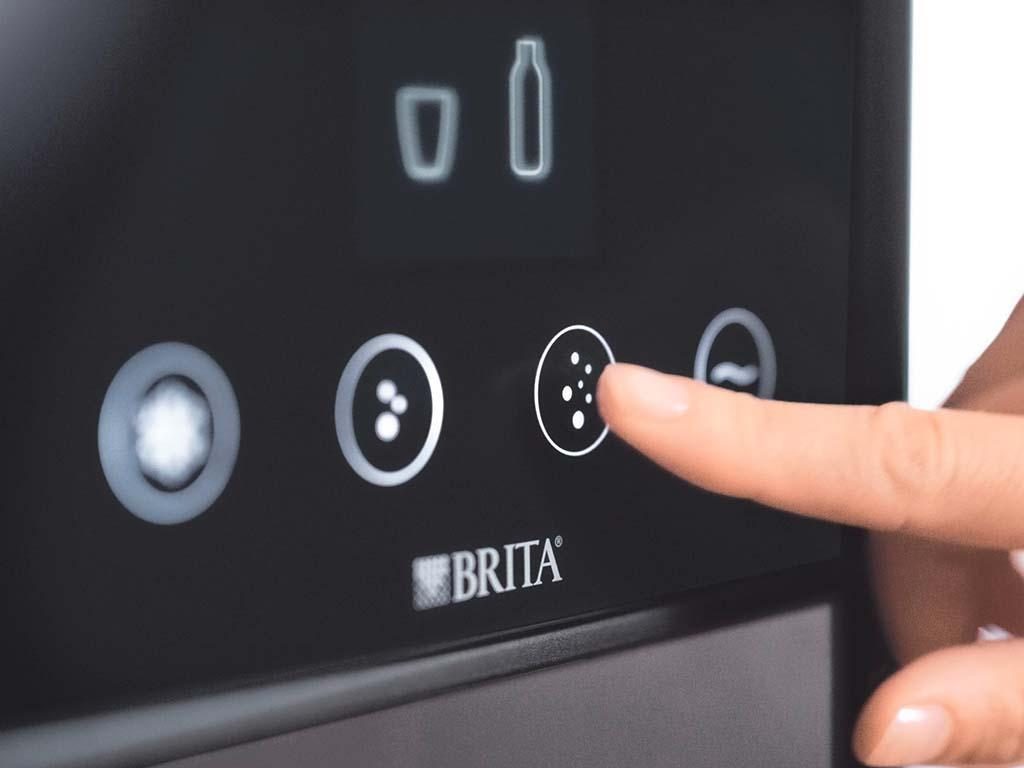
How Brita Filters Affect Coffee Taste
1. Cleaner, More Neutral Flavour
By removing chlorine and metallic notes, the filter allows the natural character of the coffee to shine. You’ll notice:
- brighter acidity
- clearer sweetness
- cleaner finish
2. Better Extraction Through Balanced Minerals
Coffee needs some minerals for proper extraction. Too much hardness makes coffee dull and bitter. Too little produces thin, sour cups.
Ideal brewing water sits around 50–150 mg/L of dissolved minerals. A fresh Brita filter helps lower excessive hardness without stripping the water completely. As the filter ages, hardness creeps back up. This is often the first thing that alters your coffee’s taste.
3. Improved Aroma and Mouthfeel
Chlorine suppresses aromas. Removing it leads to more vibrant, expressive fragrances. Adjusted hardness helps create a smoother texture and better sweetness.
Why Monitoring Your Filter Is Crucial
The Filter’s Performance Declines Over Time
Every brew runs water through the filter, slowly reducing its ability to soften and clean. As performance drops, you may notice:
- bitterness returning
- muted flavours
- inconsistent extraction
These are signs that the filter is nearing the end of its life.
An Overused Filter Can Make Water Worse
Once exhausted, the filter may release trapped particles or overly soften the water. This results in flat, unbalanced brews.
Consistency Requires Attention
For steady quality, especially if you brew coffee daily, it’s wise to:
replace the filter roughly every 4 weeks
occasionally test hardness using GH/KH test strips
- stay alert to changes in flavour . coffee itself is the best sensor
Tips for Getting the Best Results with a Brita Filter
✔ Rinse and prime the filter properly before use
This activates the carbon and resin inside.
✔ Store the filled jug in the fridge if the water sits for a while
Freshness leads to better flavour.
✔ Don’t let filtered water sit for more than 24 hours
Stale water loses oxygen and produces flat-tasting coffee.
✔ Set a filter replacement reminder
This keeps your water — and your coffee — consistent.
Conclusion
A Brita water filter can noticeably elevate the quality of your coffee . creating a cleaner flavour profile, balanced extraction, and richer aroma. Yet its benefits depend on regular care. Monitoring and replacing the filter is just as important as choosing quality beans or dialing in your grind.