
Guatemala is a country where coffee is not just an agricultural product. It is part of the land, the history and the people. Volcanic soil, high mountains, tropical forests and centuries of indigenous heritage create an environment where coffee develops remarkable character and flavour.
Here, coffee grows slowly. In the mountains, among the clouds and in the shade of forests. These unique conditions give Guatemalan coffee the depth that coffee lovers around the world appreciate.
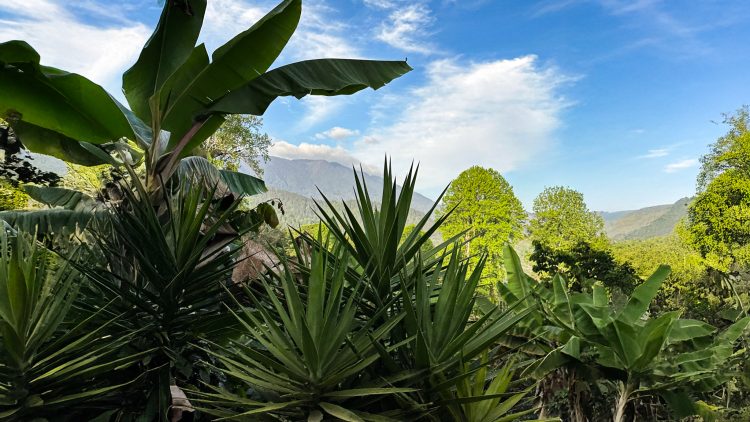
Here are 10 facts about coffee from Guatemala.
1. Coffee arrived in Guatemala in the 18th century
Coffee reached Guatemala around 1750. Jesuit priests originally brought it to the gardens and monasteries of Antigua Guatemala as an ornamental plant. It was not until more than a century later, in the 1880s, that coffee became an important export crop.
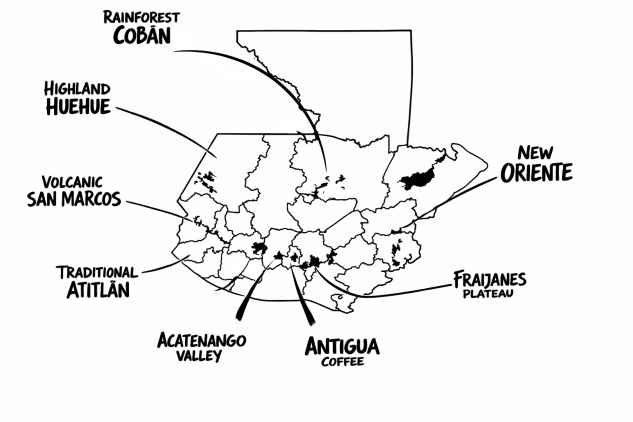
2. Guatemala has eight coffee-growing regions
Coffee is grown in eight different regions across Guatemala. These regions are shaped by different mountain ranges, climates and soils. This diversity is what gives Guatemalan coffees such a wide range of flavours.
3. Sierra Madre de Chiapas is one of the most important coffee mountain ranges
The Sierra Madre de Chiapas is one of Guatemala’s most important coffee-growing mountain ranges. It is the country’s only volcanic mountain chain and is known for both its production volume and exceptional quality. Many of Guatemala’s most famous coffees grow here.
4. Guatemala is known as the land of volcanoes
Guatemala is often called the land of volcanoes. The country officially has 37 volcanoes, four of which are active. Five of Guatemala’s eight coffee regions lie on volcanic soils. These mineral-rich soils contribute to the intensity and complexity of the coffee.
5. Each coffee region has its own cultural identity
More than 20 indigenous groups live in Guatemala. Many of them have woven coffee cultivation into their traditions and daily life. Coffee is not only an economic activity. It is also part of the cultural heritage of many communities.
6. Coffee grows under shade
Many Guatemalan coffee farms use shade-grown cultivation. Coffee trees grow beneath taller trees that protect the soil and help retain moisture. This system supports biodiversity and helps preserve natural ecosystems.
7. Sierra de las Minas sustains life in the region
Located in the Cobán region, the Sierra de las Minas mountain range captures moisture from the Caribbean Sea. This moisture feeds rivers that sustain local communities, forests and coffee farms. Water, forests and coffee are closely connected here.
8. One region. Four different forest ecosystems
Sierra de las Minas is remarkably diverse. Dry forests, tropical rainforests, cloud forests and pine-oak forests all exist within this region. This variety creates a unique microclimate that is ideal for growing coffee.
9. Coffee and communities grow together
The Q’eqchi’ and Poqomchi’ communities have cultivated these lands for generations. For them, coffee is part of life, not just a harvest. Coffee farms and communities support each other in a continuous cycle.
10. Our Guatemalan coffee comes from La Bella Farm
Our Guatemalan coffee comes from La Bella Farm in the Sierra de las Minas mountains, in the Cobán region. Around 90 hectares of coffee are grown there. The farm was founded in the 1960s and remains a family business today.
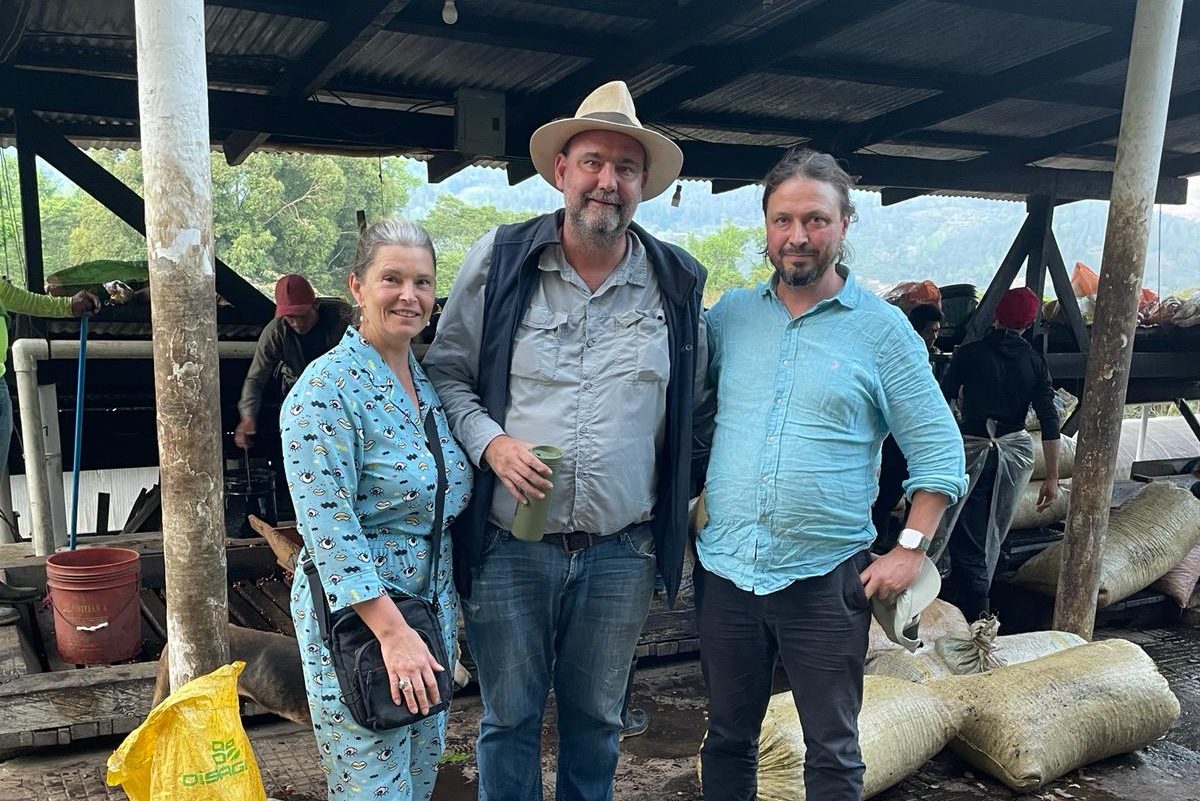
Today the farm is led by Teodoro Englehardt. Teo. For us, simply Teo. A member of the Coffee People family.
The coffee he grows reflects the character of the entire region. Mountains, forests, communities and decades of experience.
The Story of Guatemalan Coffee in Your Cup
Every cup of Guatemalan coffee is more than just a drink. It is the story of land where coffee grows in the shadow of volcanoes. A story of people who have cultivated these lands for generations. And a story of flavours that develop slowly in the mountain microclimate.
When you drink Guatemalan coffee, you are tasting a small part of that story.
Our Guatemalan coffee from La Bella Farm is available both for espresso and filter brewing.
Try coffee from La Bella Farm and discover the flavours born in the shadow of volcanoes.