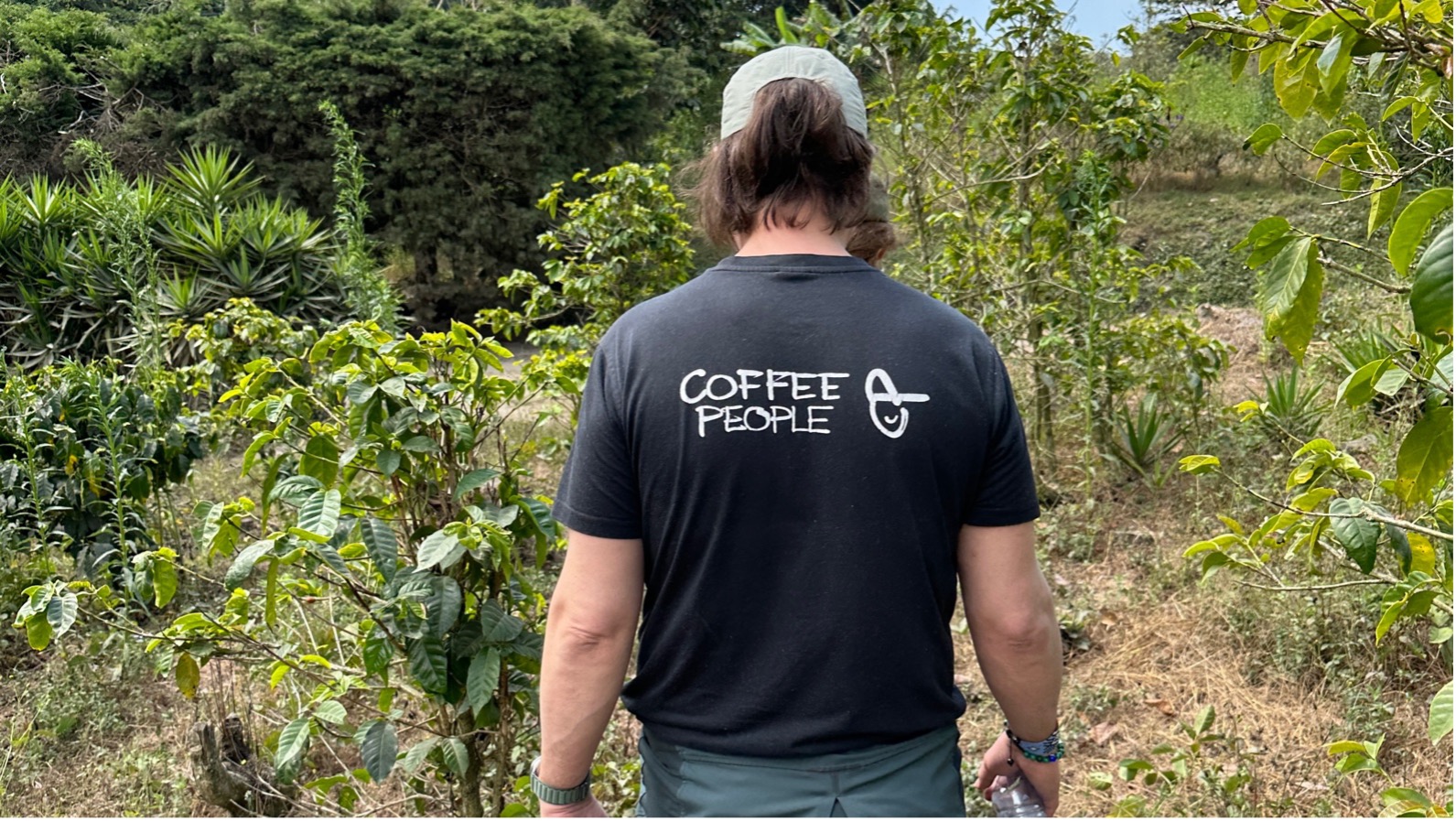
Some trips are meant to discover new places, while others are just an excuse to see old friends again.
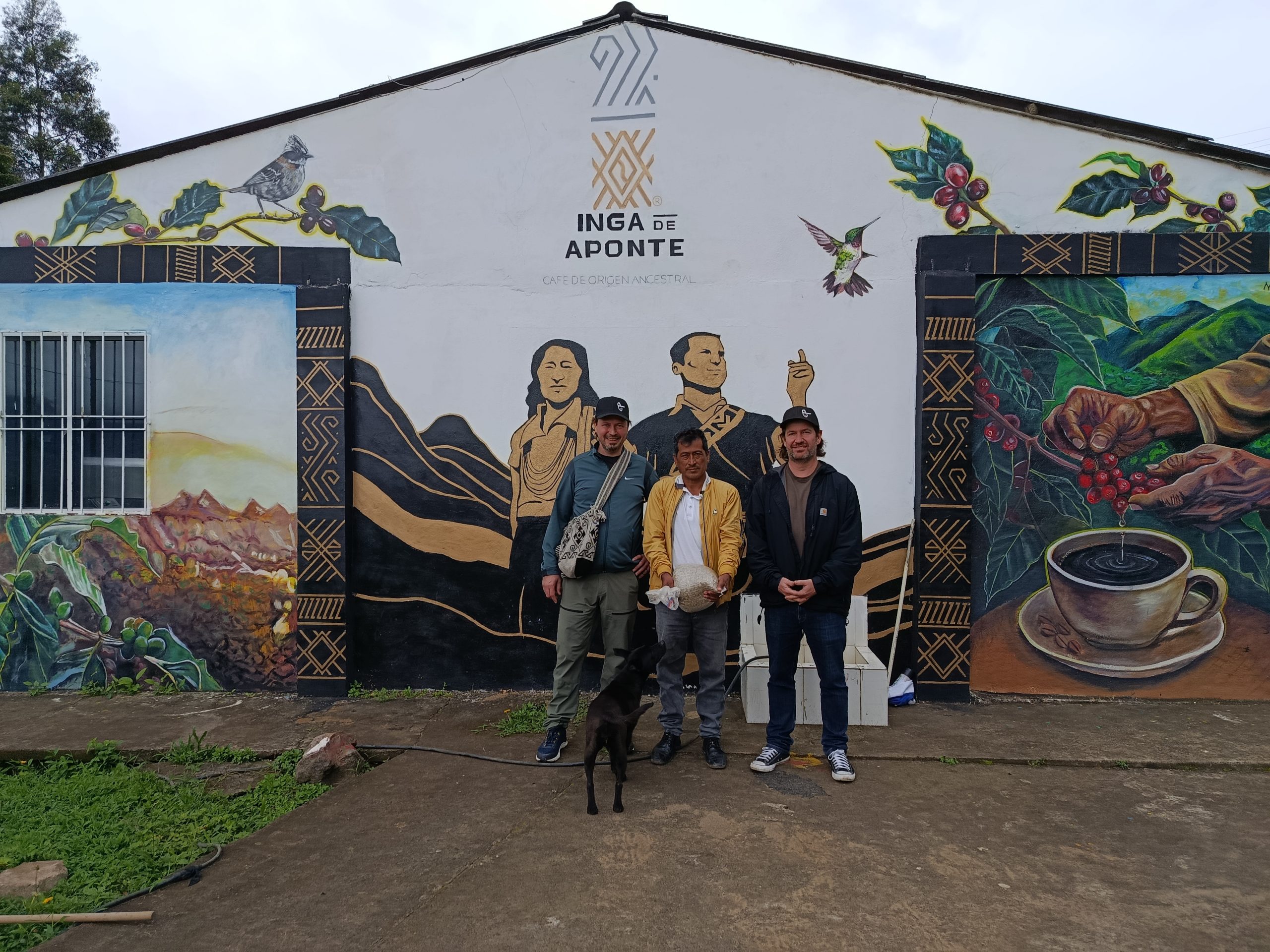
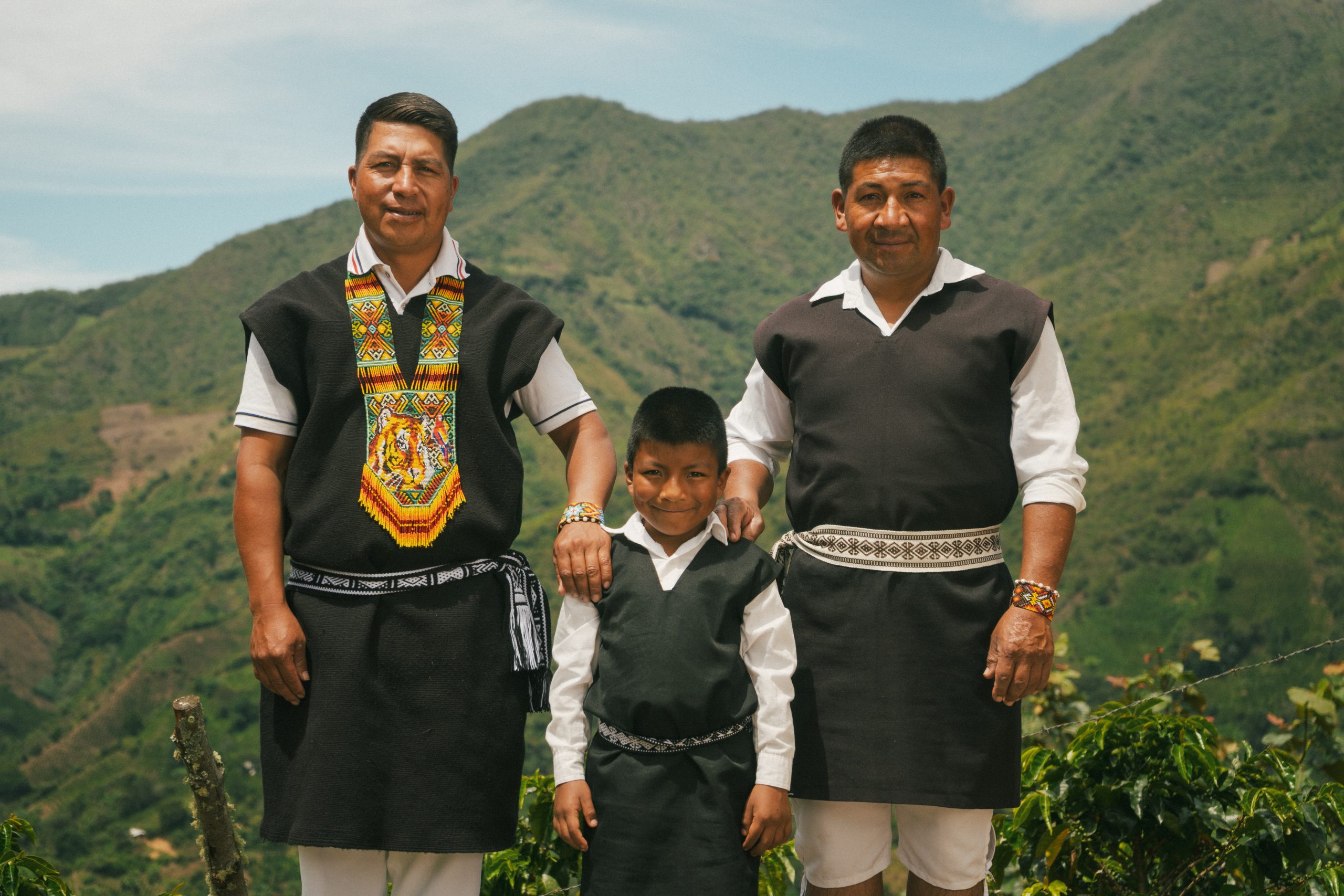
Our return to Nariño was one of those trips. It was our second time visiting the Inga Aponte community and, more than a work trip, it was a chance to reconnect with old friends, strengthen relationships, and deepen our understanding of a culture that has left a lasting mark on us
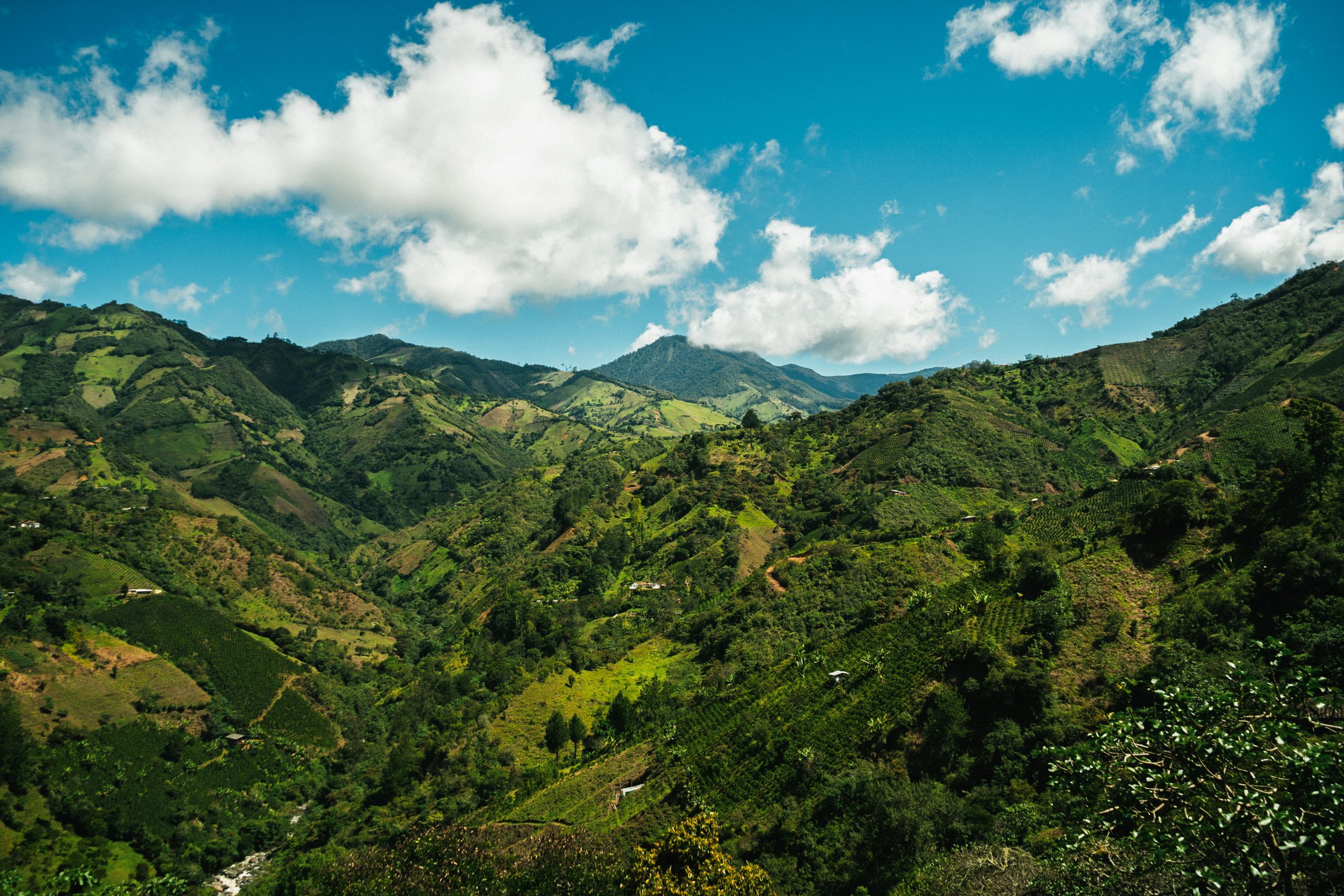
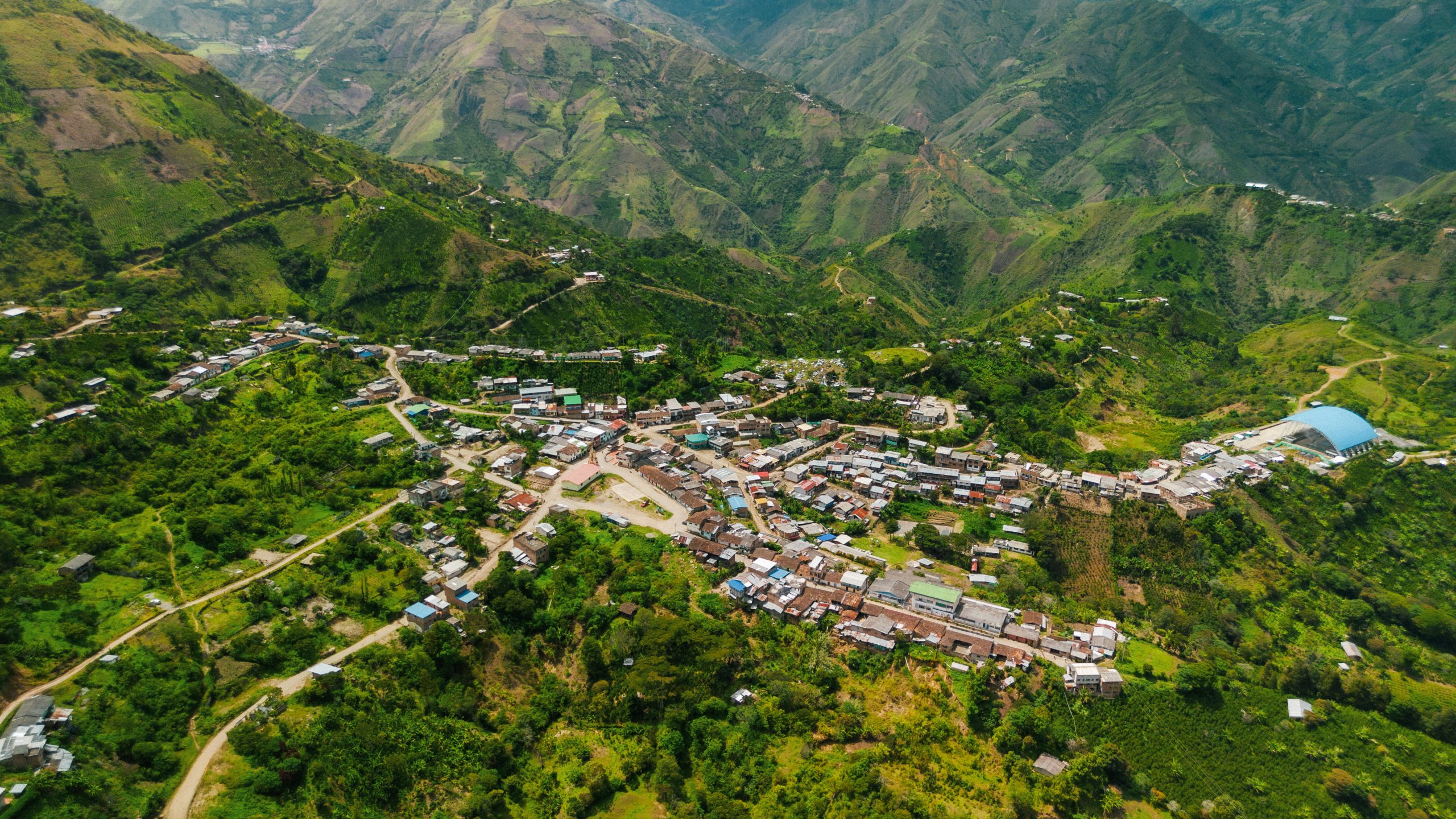
One region, multiple expressions: Nariño
Colombia is the world’s third – largest coffee producer, with coffee grown in 20 of its 32 departments thanks to its diversity of climates, altitudes, and soils.
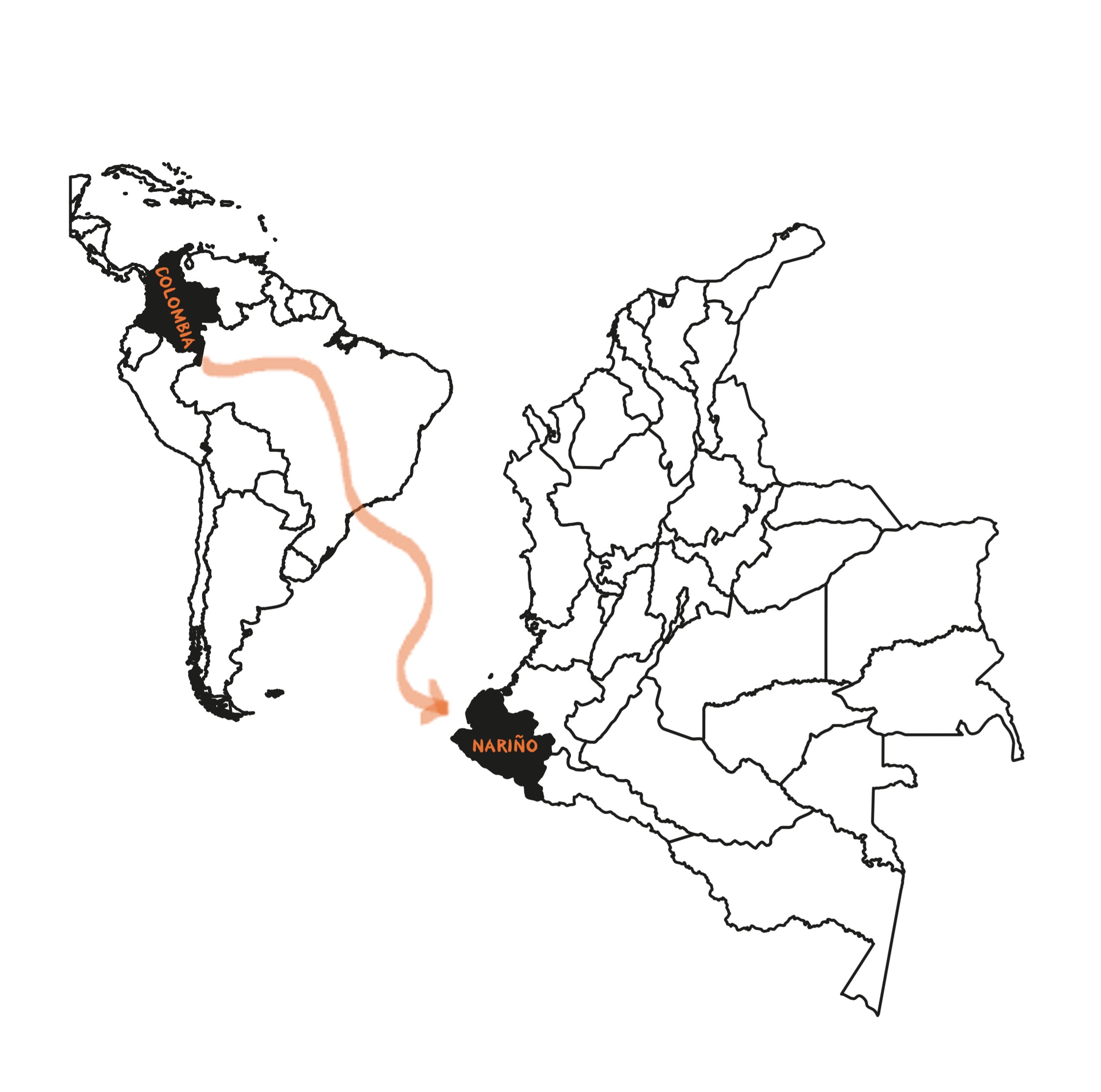
Nariño stands apart from other coffee – growing regions in Colombia due to its extreme altitude and rugged mountain landscape. Here, coffee is grown at higher elevations, develops more slowly, and under more demanding conditions than in much of the country, resulting in clearer and more expressive flavor profiles.
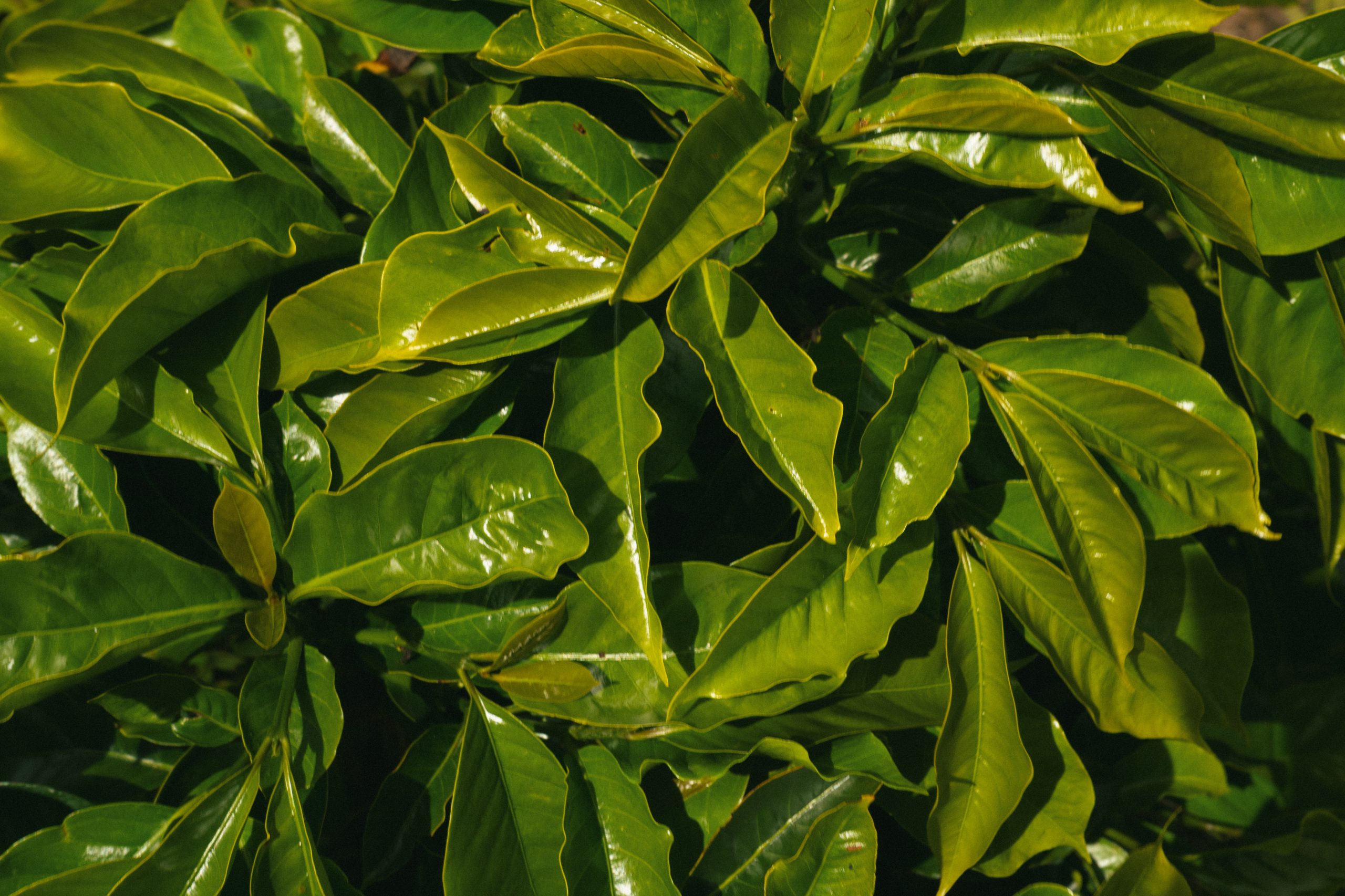
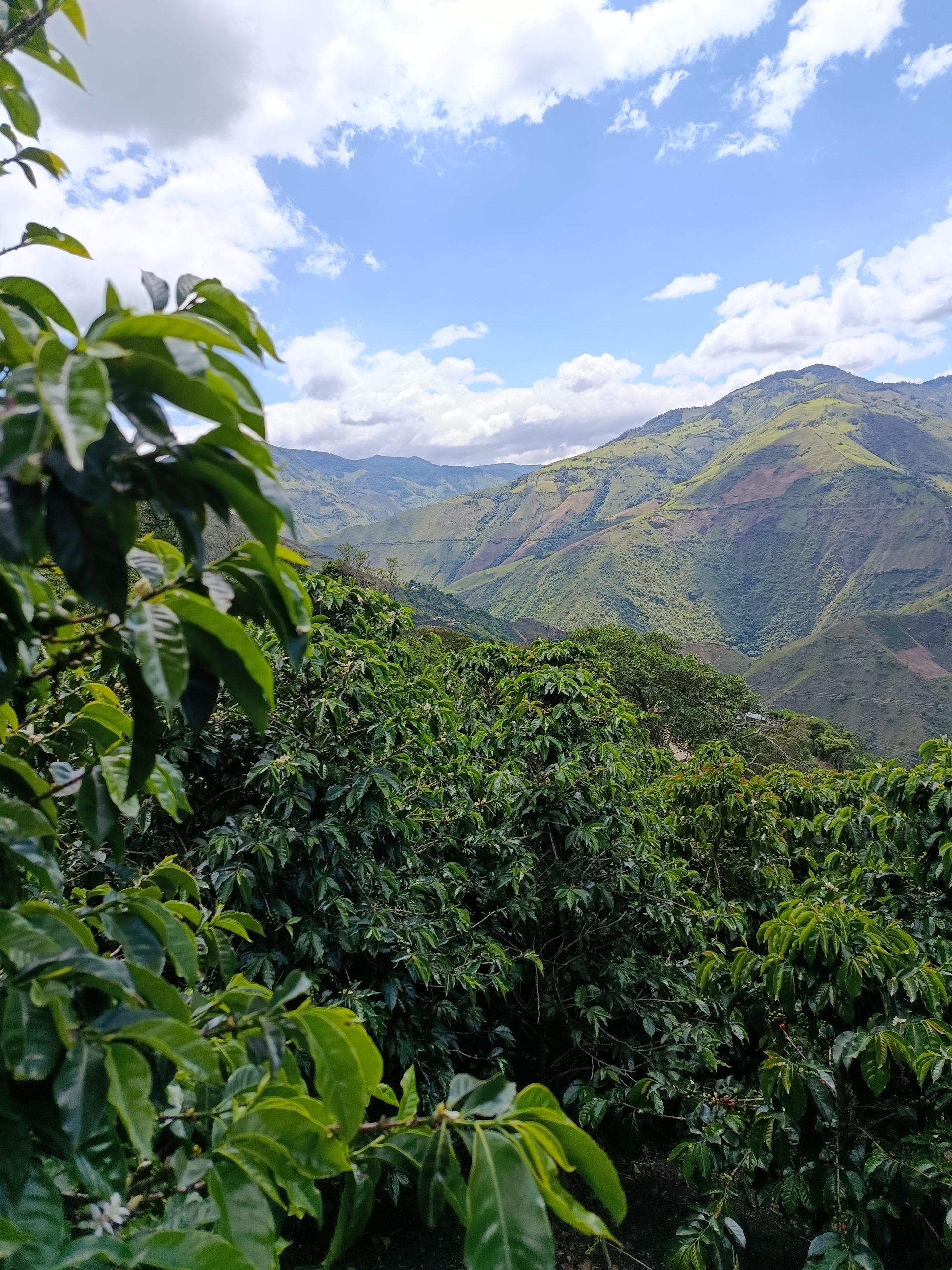
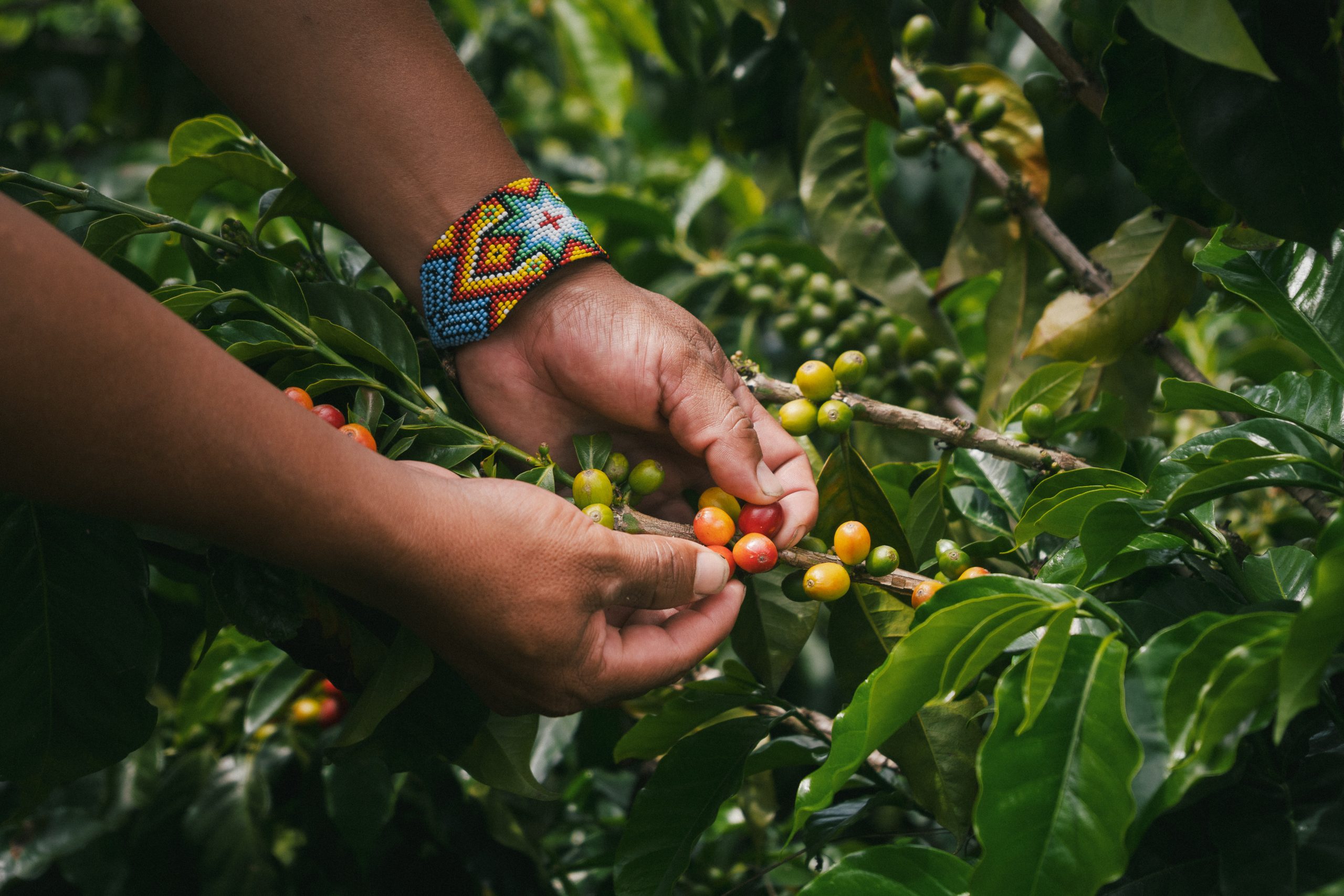
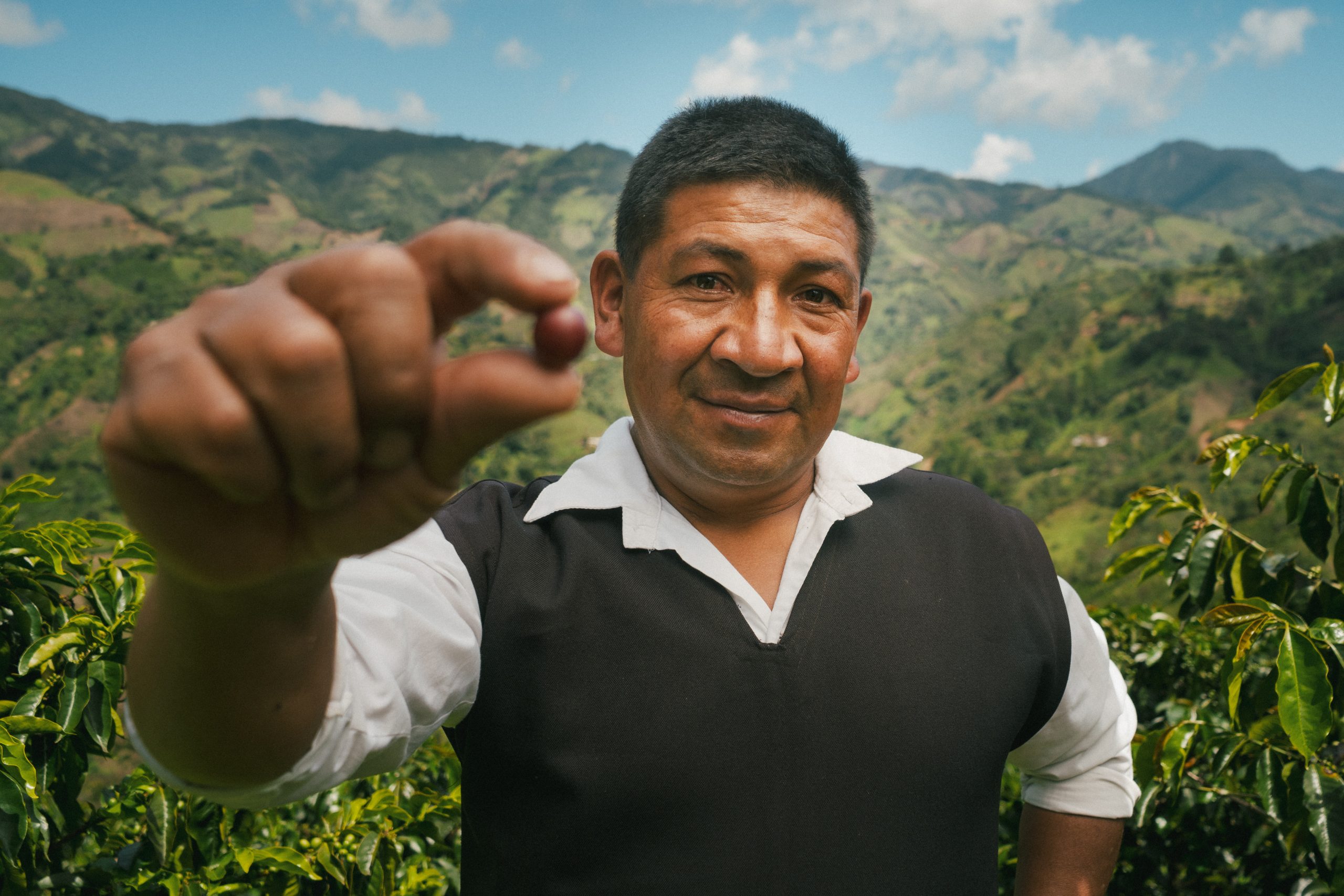
Unlike other coffee regions where the landscape is more uniform, Nariño is fragmented: small communities spread across different altitudes, each with its own microclimate that directly influences cup quality.
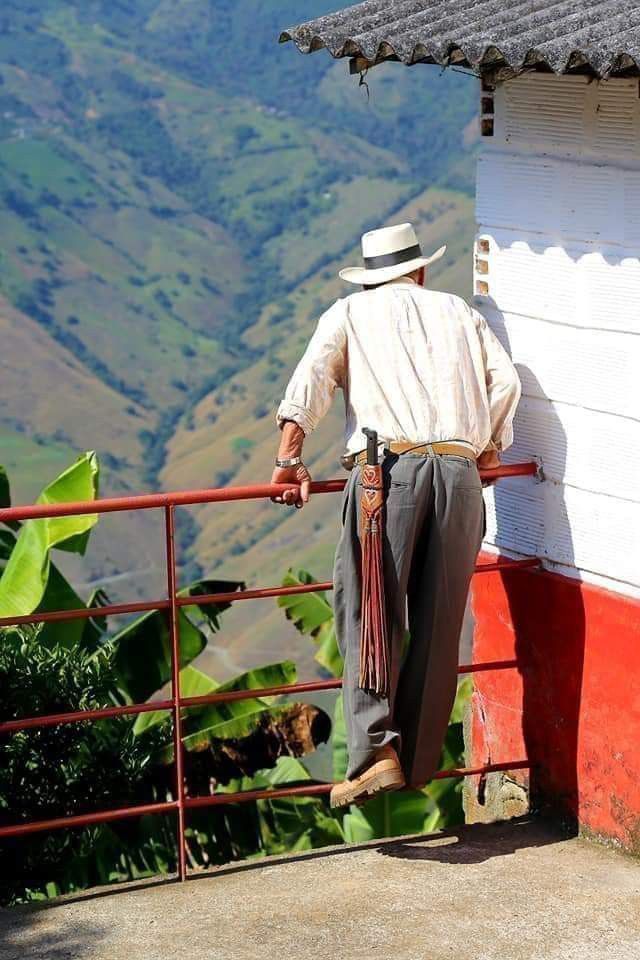
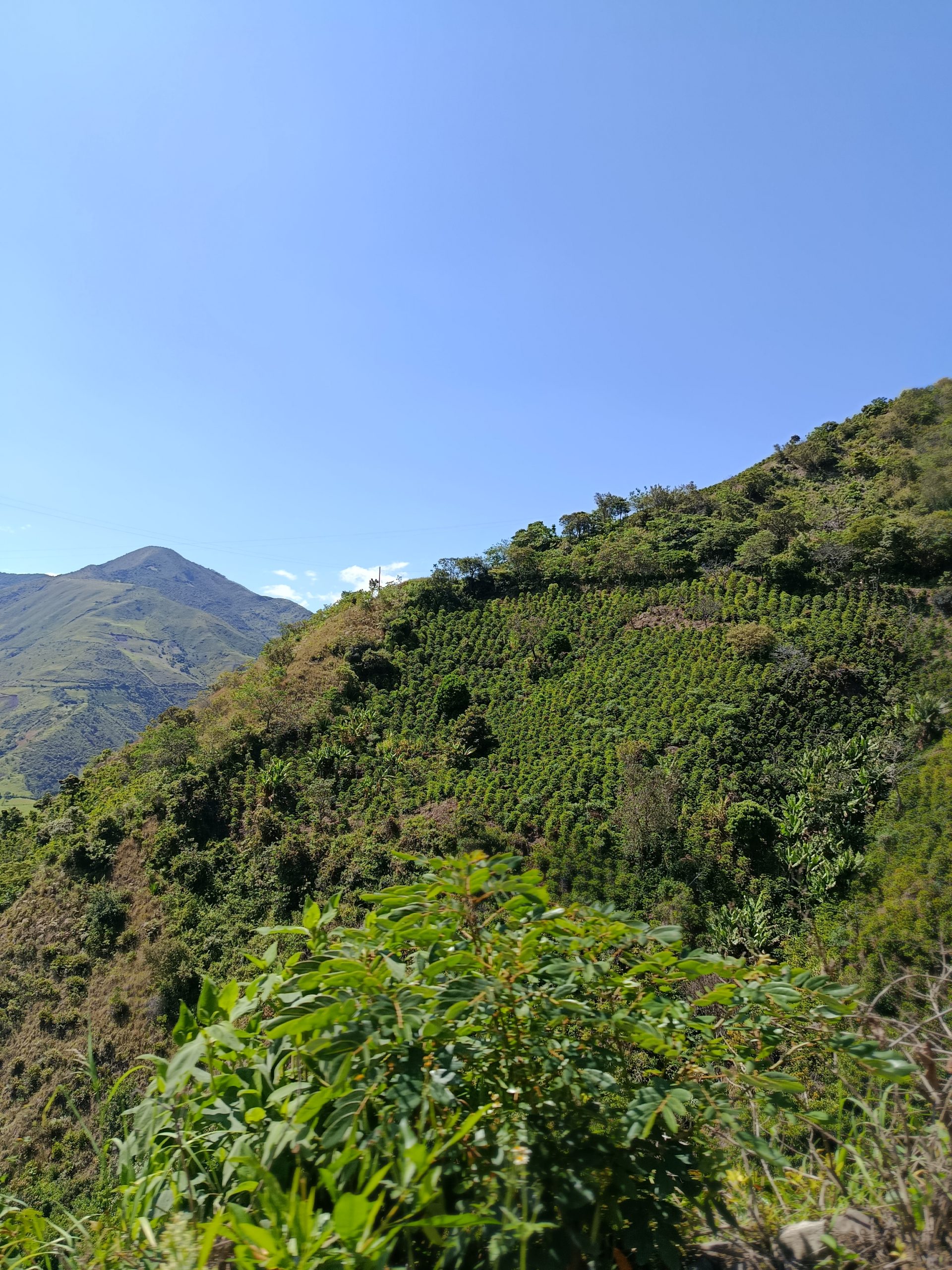
This constant shift between mountains, climate, and cultivation naturally leads us to La Unión. La Unión is one of the most active coffees – producing municipalities in Nariño, where coffee is not just a crop, but the backbone of the local economy. Most families depend on it directly or indirectly, and much of the territory is organized around small farms.
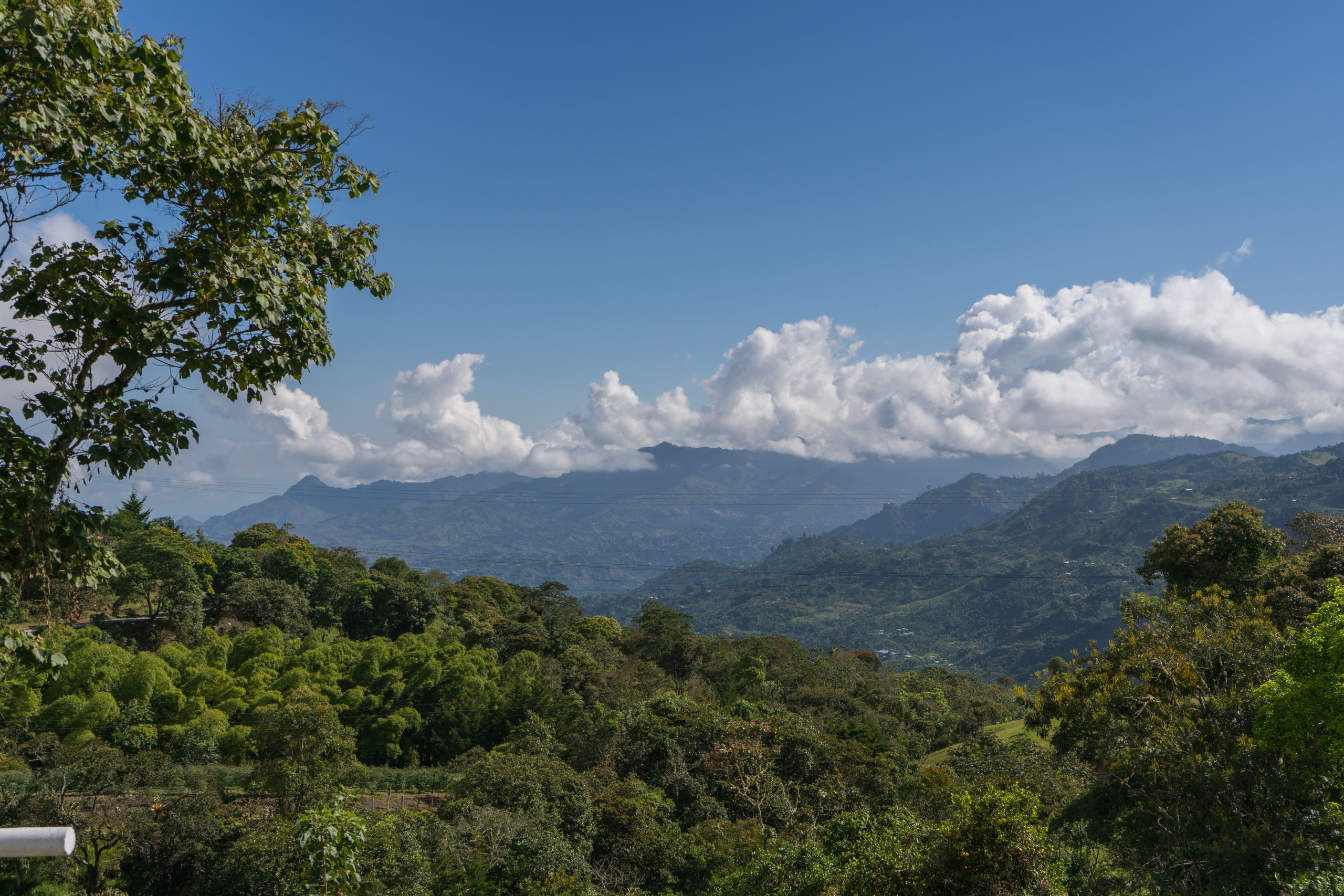
Here, coffee is cultivated by hand and with passion, through processes that combine traditional knowledge with practices that have evolved over time. Within this context lies Finca La Estrella, where Carlos Estrella continues a family coffee – growing tradition that spans three generations.
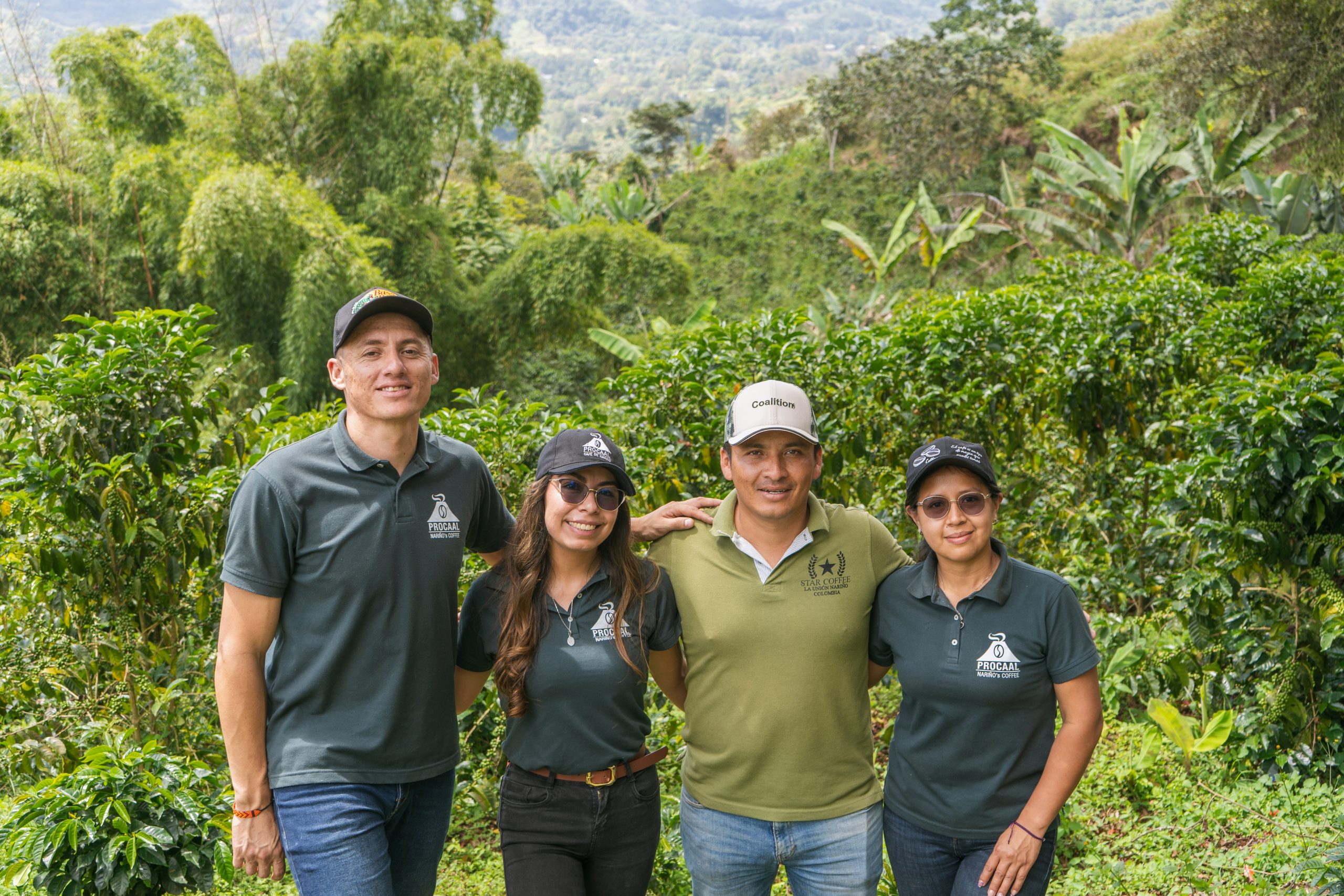
La Estrella
La Estrella farm is located in La Unión municipality, at elevations reaching 2,200 masl. The farm is the result of an 8 hectares family project, where coffee grows alongside agroforestry systems that help preserve soil moisture, promote soil health, and support a balanced ecosystem.
Carlos Estrella is a third – generation coffee producer. His work has evolved beyond the traditions passed down through his family, incorporating new varieties and processing techniques while preserving the foundations that define both his community and the wider Nariño region.
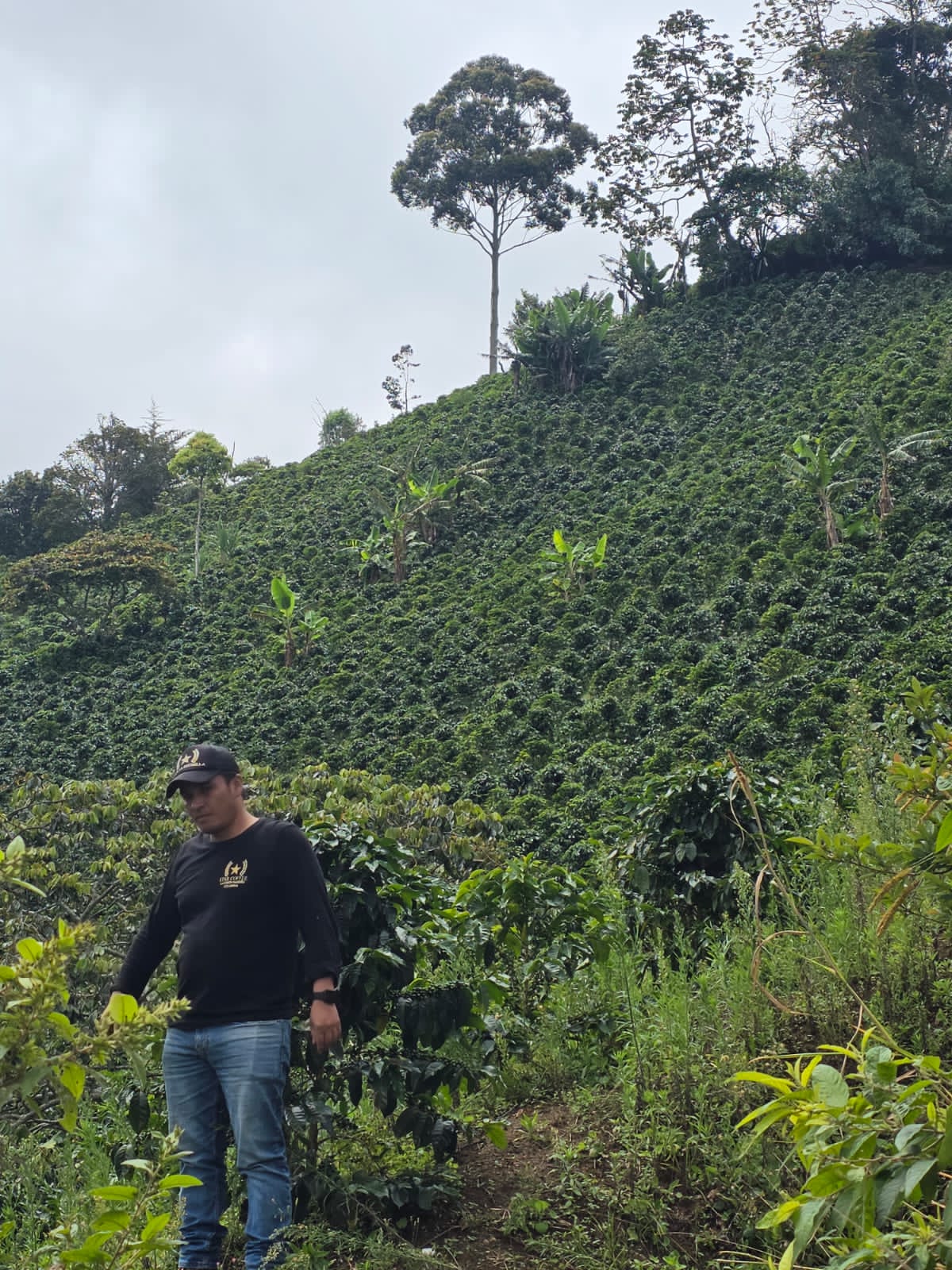
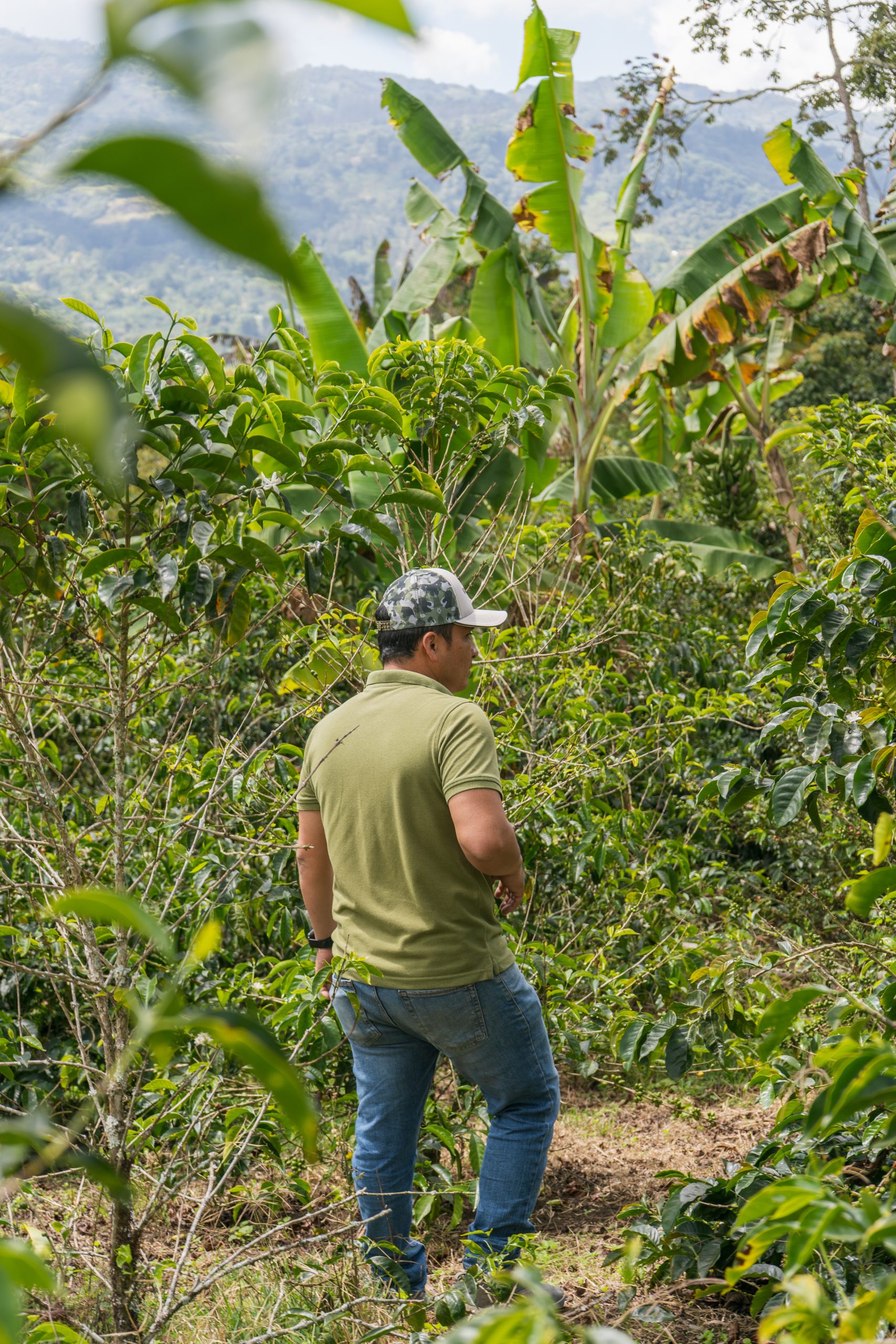
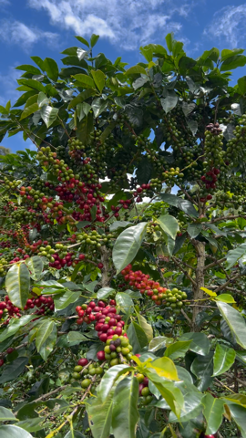
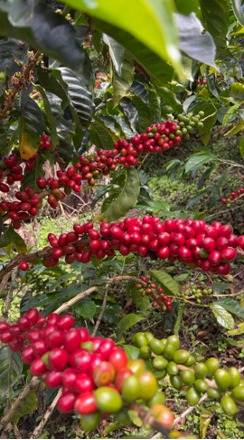
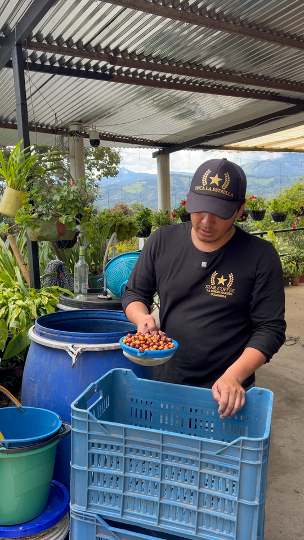
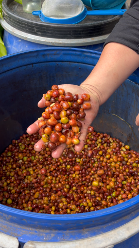
Our Gesha undergoes a two – stage fermentation process. First, the coffee cherries are fermented in 200 L tanks for 48 hours before pulping. After pulping, the coffee undergoes a second fermentation for 24 hours. It is then washed and dried on patios, helping to bring out the floral and fruit-driven characteristics that define this lot.
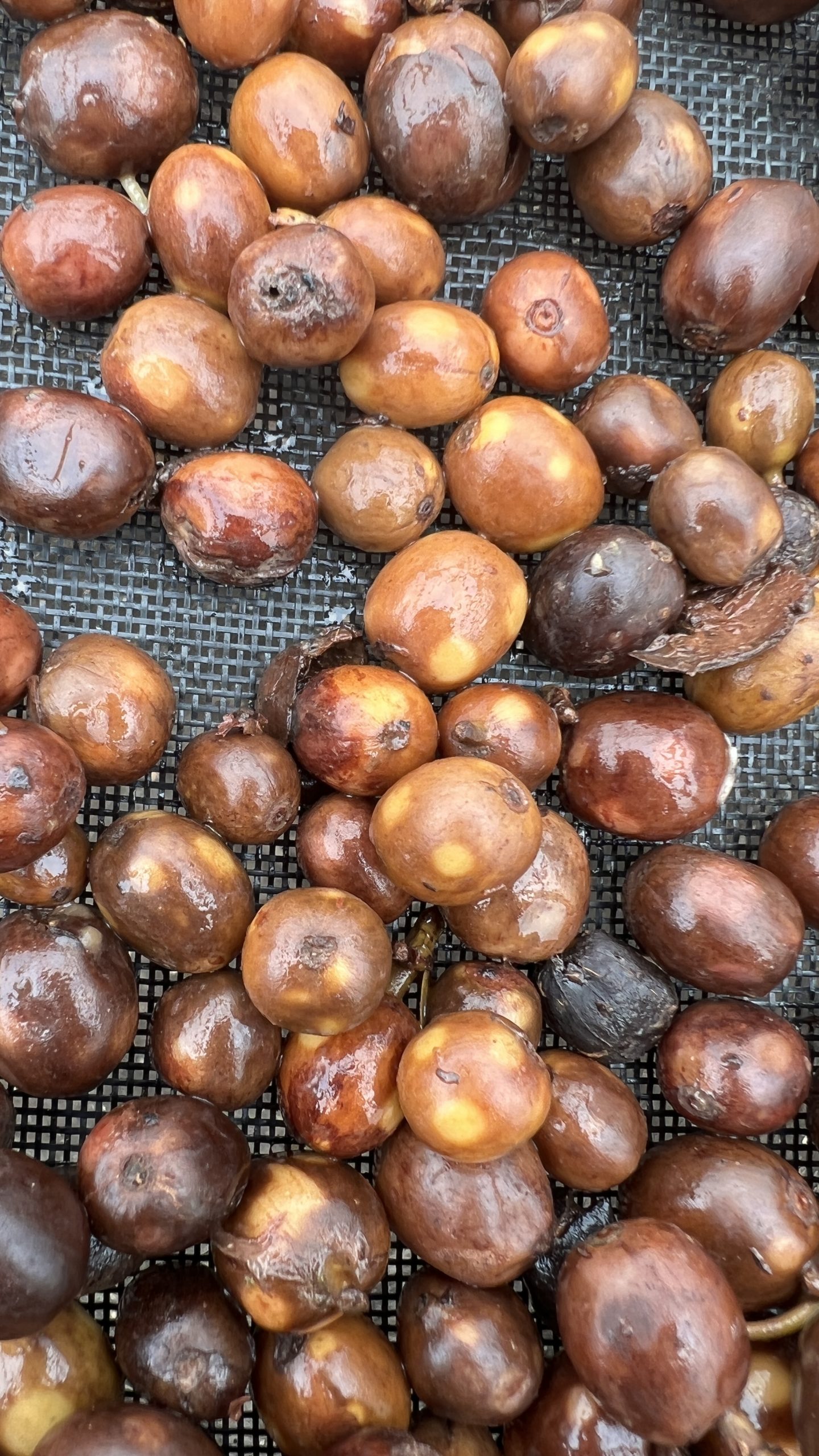
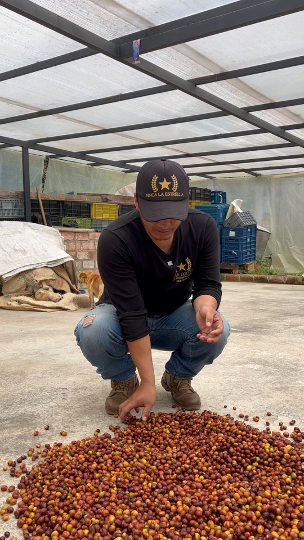
Why do we say this coffee was not part of our original plan?
We were returning to Pasto from El Tablón de Gómez, home to the Inga Aponte community, together with our friends from PROCAAL. During our short stay in the city, we were invited to take part in a cupping session featuring coffees from across the Nariño region. Among more than thirty coffees evaluated that day, the lot from Finca La Estrella stood out immediately.
There was no need for much discussion. We simply knew this coffee belonged in our lineup.
Enjoy it! ☕️